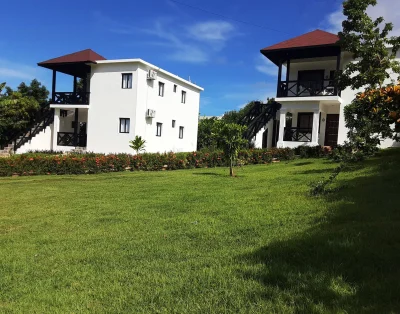

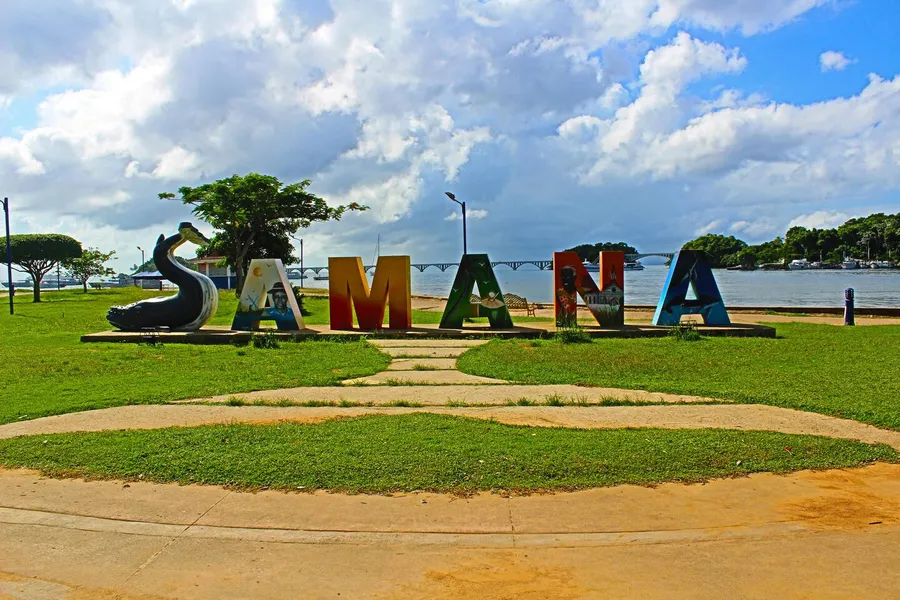
Samaná, Dominican Republic
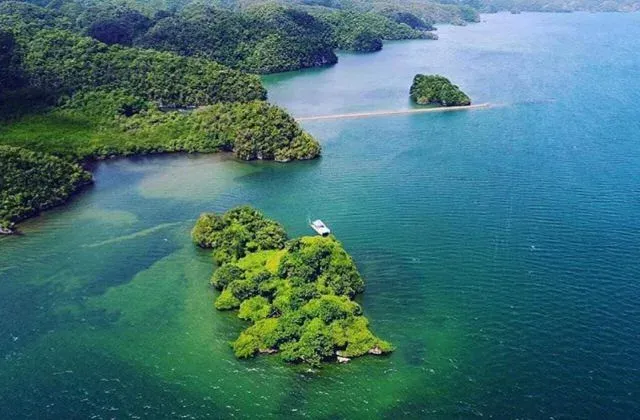
Samaná Dominican Republic: History, Population, and Culture
Samaná is a peninsula and province in the northeast of the Dominican Republic, known for its stunning natural landscapes, idyllic beaches, and humpback whale watching season. Below is a detailed summary of the history, population, and culture of Samaná.
History
Pre-Columbian Period and Colonization:
Before the arrival of Europeans, the Samaná region was inhabited by the Taíno, an indigenous group that lived throughout the island of Hispaniola.
Christopher Columbus arrived at Samaná Bay on January 12, 1493, during his first voyage to the Americas.
Spanish colonists established settlements in the region, but Samaná remained relatively isolated and less developed than other parts of the island. African American Migration: In 1824, during the Haitian occupation of the island, Haitian President Jean-Pierre Boyer promoted the immigration of free African Americans from the United States to Samaná. A significant group settled in the region, bringing with them their culture, language, and religious practices, which had a lasting impact on the identity of Samaná.
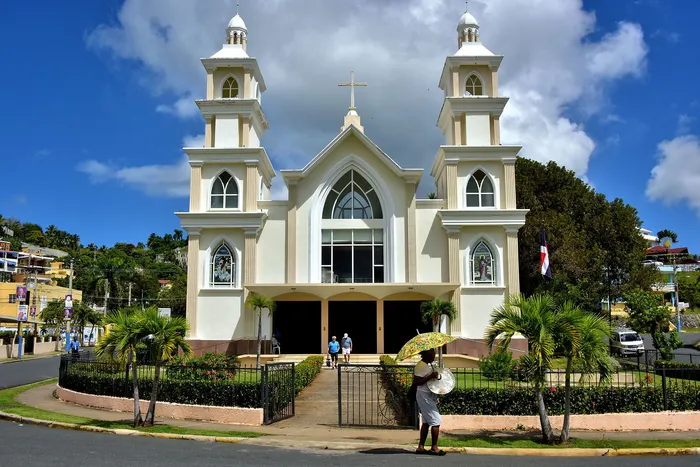
Catholic Church of Samaná
Development and Tourism:
Throughout the century In the 20th century, Samaná developed into an attractive tourist destination, known for its pristine beaches, biodiversity, and the annual humpback whale watching season in Samaná Bay. Improvements in infrastructure and transportation have boosted the local economy and increased its accessibility.
Population
The province of Samaná has an estimated population of approximately 100,000. The population is diverse, with descendants of African American migrants, native Dominicans, and other groups. The main cities and towns include:
Santa Bárbara de Samaná (the capital)
Las Terrenas
Las Galeras
Culture
Language and Religion:
In addition to Spanish, some communities in Samaná speak Creole English, a legacy of African American immigrants. Christianity is the predominant religion, with a strong presence of Protestant churches, influenced by 19th-century migrants.
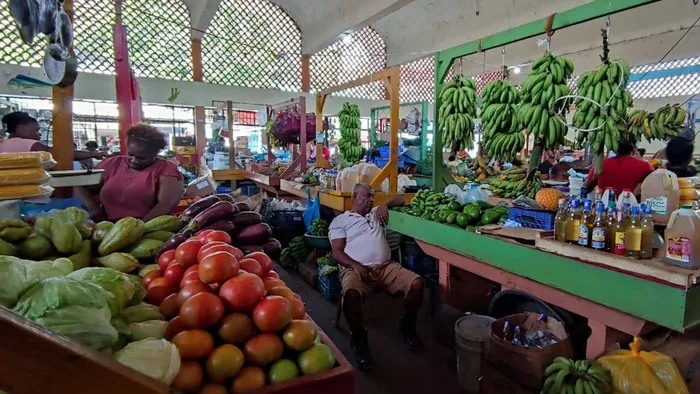
Samana market, Dominican Republic
Gastronomy:
Samaná’s cuisine is a fusion of Dominican and Afro-American traditions. Dishes like fish with coconut and locrio de pescado (similar to paella) are common. The use of coconut is particularly distinctive in the local gastronomy.
Festivities and Traditions:
Samaná celebrates various festivals and cultural events. Among the most prominent are religious celebrations, carnivals, and music festivals. The Seafood Festival and the Coconut Festival are important events that highlight the gastronomy and culture of the region. Art and Music: Music and dance are essential to life in Samaná. Genres such as bachata, merengue, and son are popular, although there are also influences from Afro-American music due to the region’s migration history. Samaná is a region with a rich history, a diverse population, and a vibrant culture, all framed by stunning natural beauty. Its unique combination of cultural influences and natural surroundings makes it a fascinating place for both residents and visitors.