
Cabo Cabrón National Park, Samaná
Cabo Cabrón National Park: Discover Samaná's Wild Coastline
The Samaná Peninsula is known for its beautiful beaches, green mountains and rich natural environment. Beyond its popular seaside destinations, it also contains protected landscapes where rugged terrain and coastal scenery remain the main attraction.
Discover One of Samaná’s Wildest Natural Landscapes
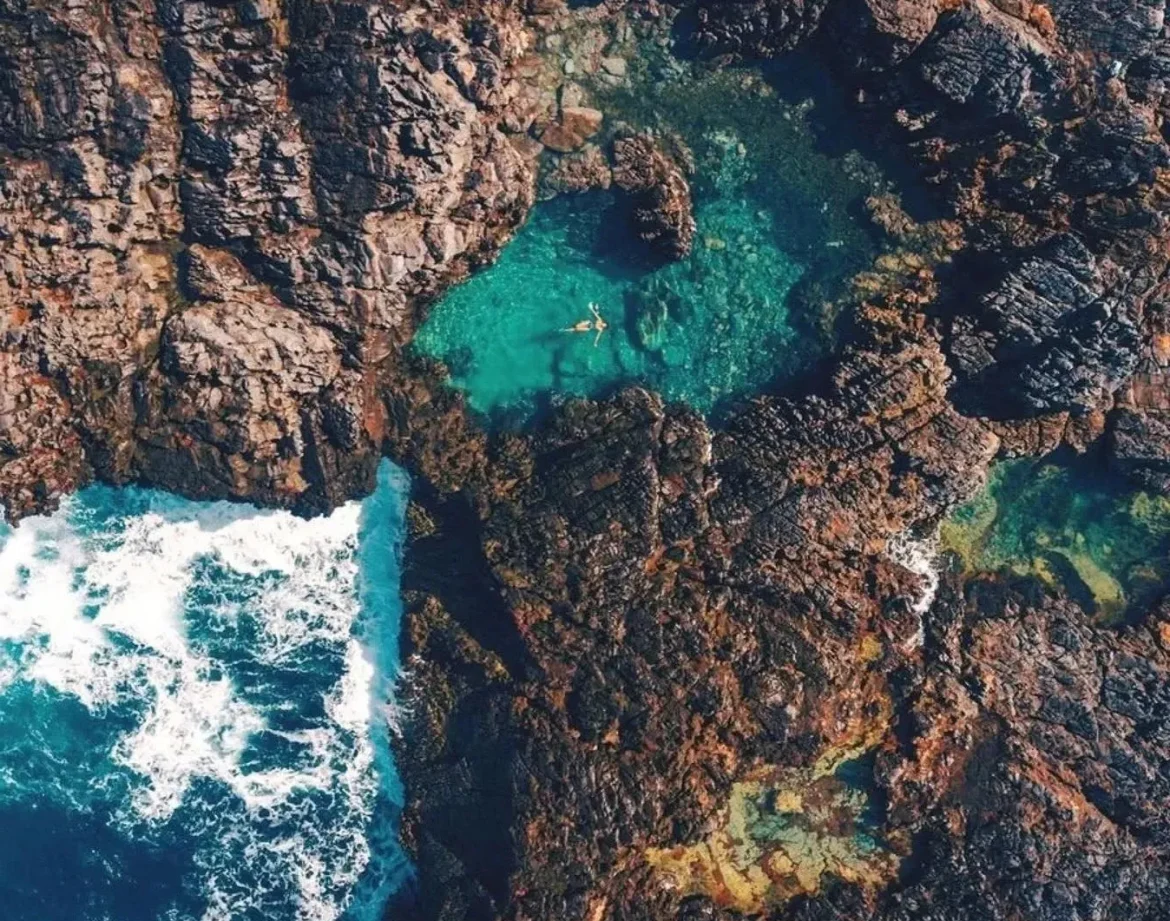
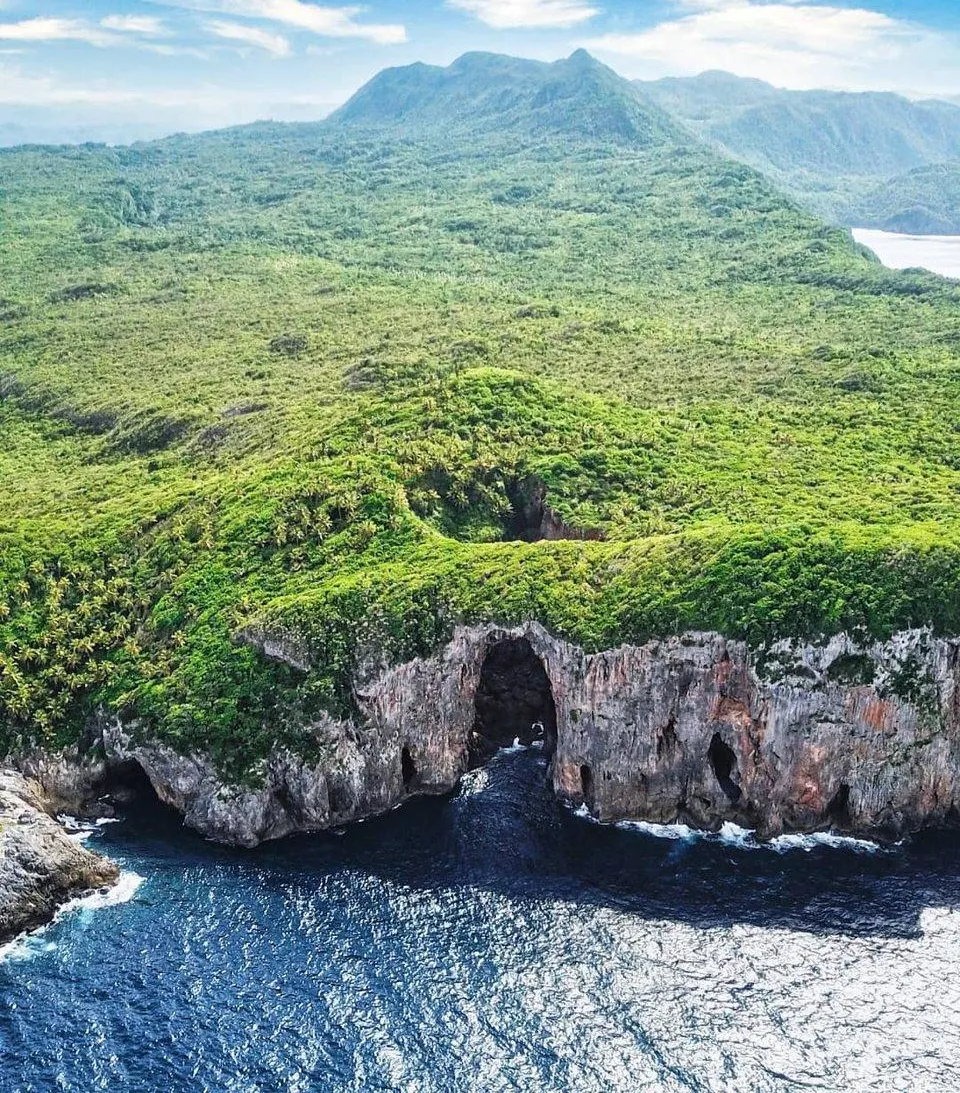
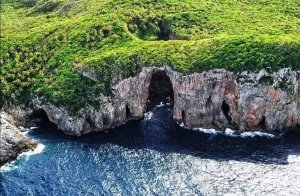
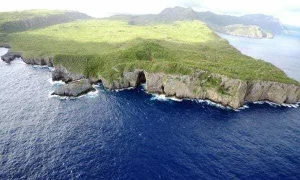
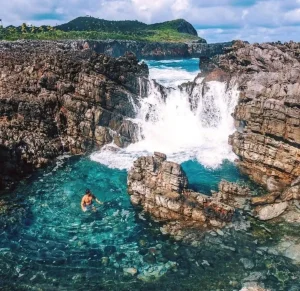
Cabo Cabrón National Park is one of these places. Located on the Samaná Peninsula, the protected area is associated with a dramatic natural environment of steep terrain, forested slopes and a rugged coastline facing the Atlantic.
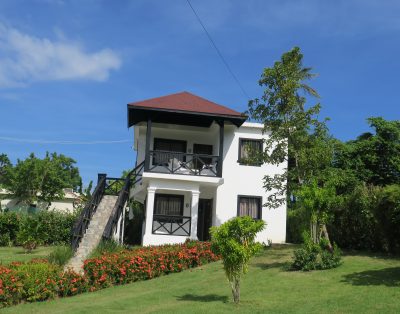
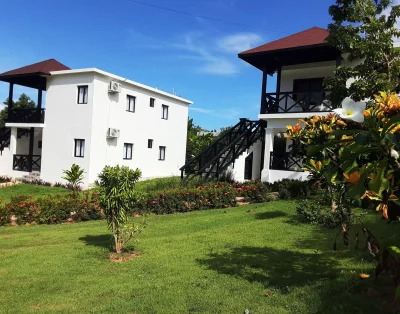
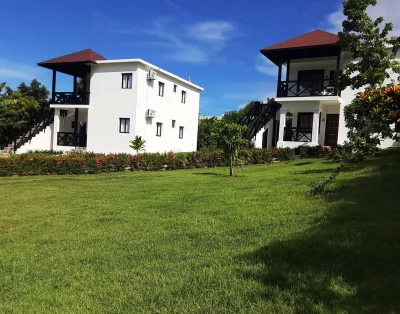
For travellers staying at Villas Reynoso in Las Galeras, exploring the wider Cabo Cabrón area offers an opportunity to learn more about the peninsula beyond its beaches and villages.
Because this is a protected natural area rather than a fully developed tourist attraction, planning with local knowledge is essential.
What Makes Cabo Cabrón Special?
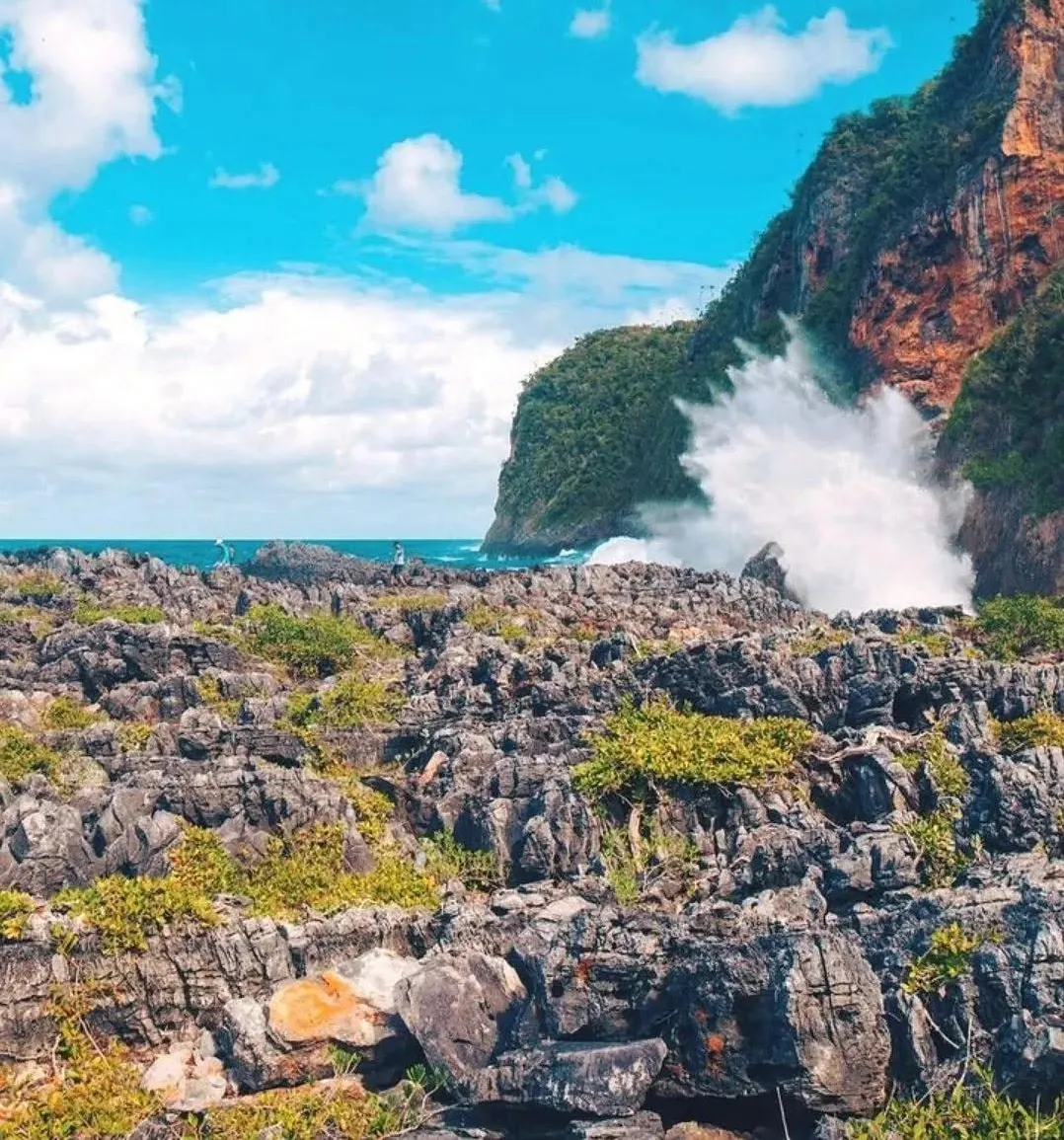
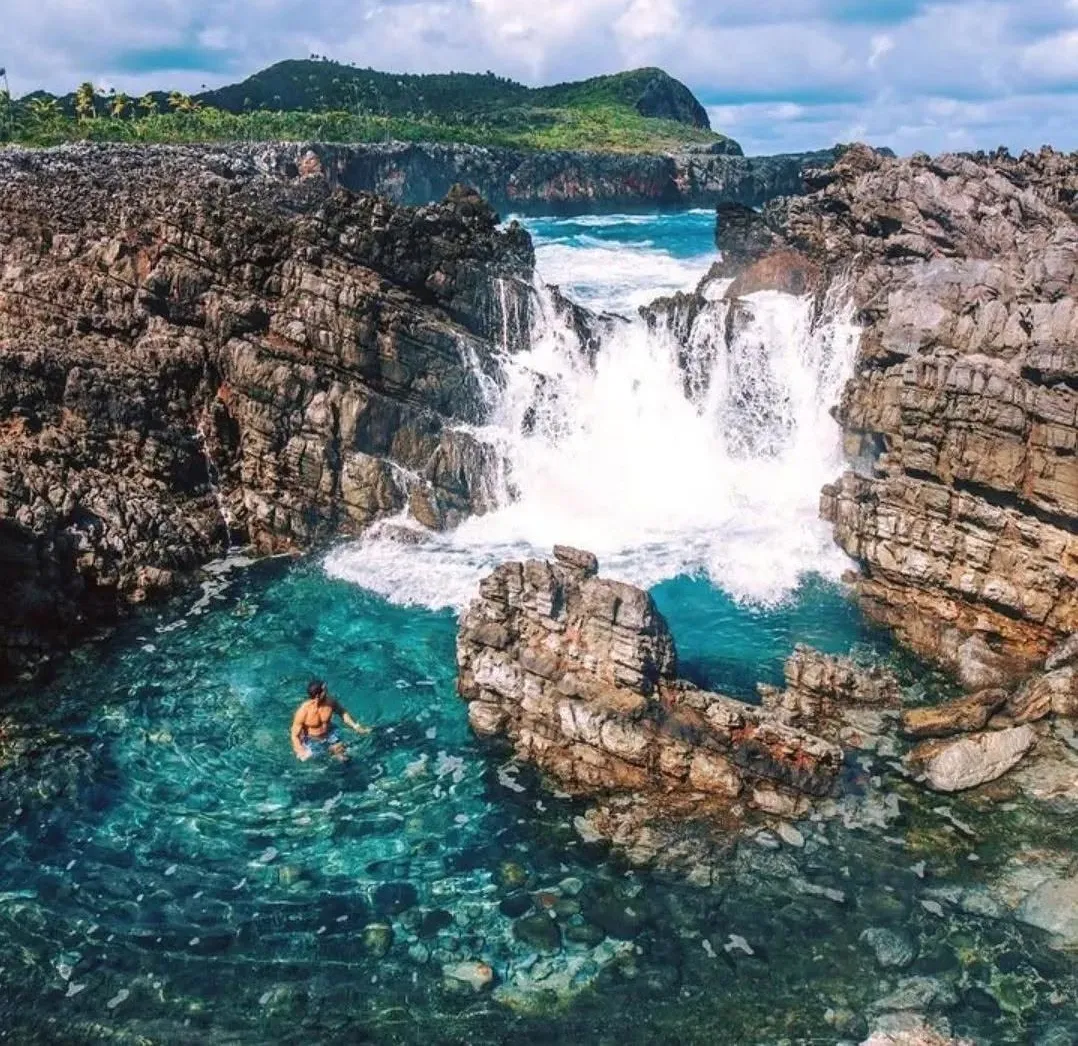
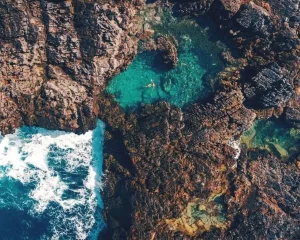
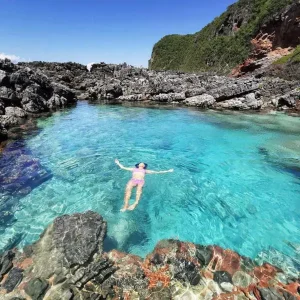
Cabo Cabrón stands out for its combination of coastal landscapes and green mountainous terrain. The contrast between the vegetation and the surrounding sea creates striking views and a sense of being immersed in nature.
The park is particularly relevant to visitors interested in ecotourism, landscape photography and learning about the natural heritage of Samaná.
Rather than expecting a conventional park with visitor centres, marked tourist routes and facilities at every stop, travellers should treat Cabo Cabrón as a protected landscape that requires responsible planning.
Access to particular locations can vary. Visitors should confirm which areas are accessible, whether a guide is required and what transport arrangements are appropriate before setting out.
Nature, Wildlife and Biodiversity
The Samaná Peninsula supports a range of tropical habitats, including forested areas and coastal ecosystems. These environments are important for native plants and wildlife and form part of the wider natural heritage of the Dominican Republic.
Exploring the region can offer opportunities to observe vegetation, coastal formations and birdlife, although sightings depend on the season, location and conditions.
Visitors should avoid disturbing wildlife, feeding animals or removing plants and natural materials. Responsible tourism helps protect the environment that makes this region special.
For travellers who enjoy nature, Cabo Cabrón is best appreciated as part of the wider ecological landscape of Samaná rather than as a destination where specific animal sightings can be guaranteed.
Activities and Ways to Explore
- The activities available depend on the precise location visited and the access arrangements in place. Experiences in the wider area may include:
- Scenic excursions: Discover the coastline and surrounding landscapes with a knowledgeable local operator.
- Nature observation: Look for native vegetation and wildlife without disturbing their habitats.
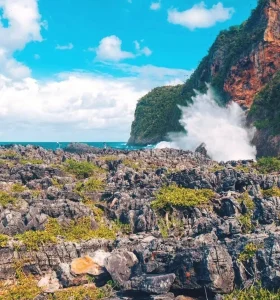
- Photography: Capture the dramatic contrast between green slopes, rocky coast and Atlantic views.
- Outdoor exploration: Visit accessible locations with suitable guidance and equipment.
- Learning about conservation: Understand why protected natural areas are important to the region’s environment.
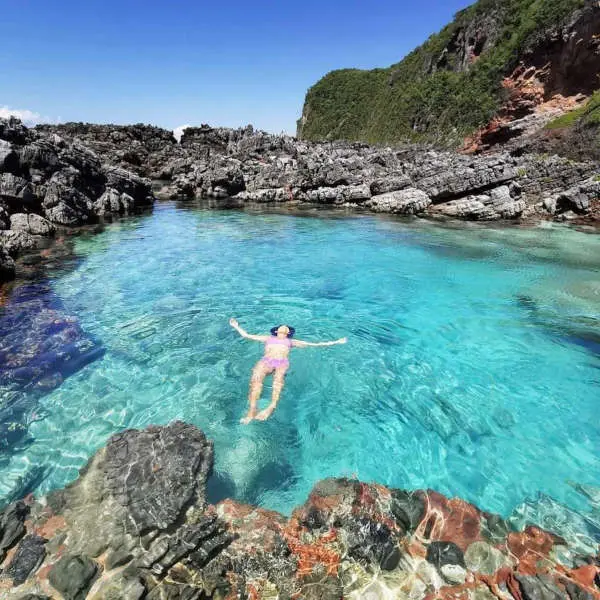
Do not assume that every part of the park has an open hiking trail or public access. Confirm the route, permitted activities and any restrictions before travelling.
The History of Cabo Cabrón National Park
Cabo Cabrón’s modern history is closely connected to the Dominican Republic’s efforts to protect its natural resources.
The park appears in the country’s official protected-area records. Government environmental mapping identifies Cabo Cabrón as a national park, with its protected status associated with Law 202-04 and Decree 571-09.
These legal measures form part of the national framework for conserving important natural landscapes and ecosystems.
The area is therefore significant not only for its scenery but also for the role it plays in the country’s protected-area network. Its conservation status helps establish a framework for managing natural resources and limiting activities that could damage the environment.
For official background, consult the Dominican Republic’s Ministry of Environment protected-area information and the government environmental library’s Cabo Cabrón National Park map record.
How Popular Is Cabo Cabrón?
Cabo Cabrón is less familiar to many visitors than Samaná’s best-known beaches and major excursion destinations. Its appeal is more closely linked to nature, scenery and the opportunity to explore a less-developed landscape.
It may be particularly interesting to travellers who have already visited the region’s main beaches and want to understand more about its protected environments.
However, visitor numbers and access arrangements are not consistently published, so it would be misleading to describe the park as either crowded or completely undiscovered. The experience depends on the particular location, season and type of excursion.
For many visitors, its value lies in the landscape itself and the chance to appreciate the natural diversity of the Samaná Peninsula.
How to Visit Cabo Cabrón from Las Galeras
Villas Reynoso is based in Las Galeras, on the eastern side of the Samaná Peninsula. It can serve as a starting point for arranging excursions into the surrounding region.
Cabo Cabrón is a protected area, not a single attraction with one guaranteed public entrance. The most appropriate route depends on which part of the park you intend to visit.
Before travelling:
- Ask a local guide or established excursion operator which parts of Cabo Cabrón can currently be visited.
- Confirm the meeting point, transport, route and expected duration.
- Check whether the proposed activity requires permission or special arrangements.
- Ask about road and trail conditions, especially after heavy rain.
- Follow any restrictions established by the relevant environmental authorities.
Do not rely solely on a map pin or attempt to drive to an unverified entrance. Some locations may require a boat, a suitable vehicle or travel on foot, depending on the route.
From Villas Reynoso, arrange transport from Las Galeras to the confirmed departure point. The journey time will depend on the destination within the protected area and the chosen means of transport, so confirm the expected schedule with your operator.
If you would prefer an easier day exploring the local coastline, read our guide to Las Galeras de Samaná or discover the beach scenery in our article about Playa Frontón.
Responsible Tourism in a Protected Area
Protected landscapes require a little more care than conventional tourist attractions. A few simple habits can help preserve the area for future visitors:
- Take all rubbish back with you.
- Stay on permitted routes and follow your guide’s instructions.
- Do not remove plants, rocks or other natural materials.
- Avoid disturbing wildlife or damaging vegetation.
- Use established local operators and respect access restrictions.
- Bring enough drinking water, suitable footwear and sun protection.
- Check the weather and avoid exposed routes in unsafe conditions.
There may be limited or no visitor services at the location you choose to explore. Plan accordingly and do not assume that food, toilets, drinking water or mobile coverage will be available.
Discover the Natural Heritage of Samaná
Cabo Cabrón National Park provides another perspective on the Samaná Peninsula: one shaped by conservation, rugged landscapes and the importance of protecting the Dominican Republic’s natural heritage.